Welcome to Nature Is Lit: Discovering Science, Storytelling, and the Natural World
Every big dream starts as a quiet thought that refuses to leave.
For me, Nature Is Lit was that thought.
Years ago, before this space had a name, before the videos, blog posts, research articles, and conversations, I dreamed of building a place where science felt alive. Not locked away in technical papers. Not hidden behind jargon. Not presented as something only a select few could understand. I imagined a space where discovery could breathe, where nature could be explained with accuracy and wonder, and where people could reconnect with the living world around them.
That dream has grown into Nature Is Lit, a prolific space of learning rooted in science, storytelling, and curiosity.
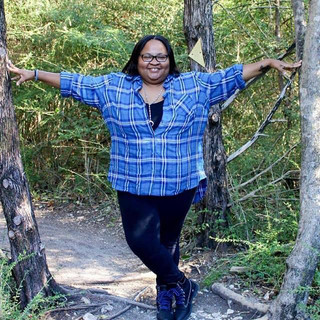
I am Dr. Krystal Toney, and I am honored to welcome you here. I hold a PhD in environmental science with an emphasis on wildlife conservation and entomology. My work lives at the intersection of ecosystems, insects, wildlife, culture, and education. Nature Is Lit began in 2020, during a season when I realized something that changed the way I wanted to teach forever.
I did not want to teach science by stripping it of its soul.
I wanted to teach the way my culture helped shape me, through the art of storytelling.

Nature Is Lit began with a different way of teaching
Science is full of incredible stories.
A beetle that helps recycle nutrients in the soil. A migratory bird that crosses continents by reading environmental cues. A spider that spins silk stronger than many human-made materials. A forest that depends on fungi, insects, water, sunlight, and time to survive.
These are not dry facts. They are stories of survival, adaptation, connection, and change.
Yet, for many people, science can feel distant. A scientific paper may hold an amazing discovery, but the language can make it difficult to reach. Terms pile up. Methods stretch across pages. Data sits in tables that require training to understand. None of that is wrong, because scientific writing has a purpose. It helps researchers communicate with precision.
Still, precision should not be the only door into discovery.
Nature Is Lit exists because there must be more than one way to enter the room.
Storytelling, when paired with the right facts, can transform complicated scientific ideas into something clear and memorable. It can turn technical language into a pathway. It can show why a discovery matters, how it connects to daily life, and what it reveals about the natural world.
That is the heart of this site.
Nature Is Lit takes science seriously, but it does not believe science has to feel unreachable. A person should not need a PhD to learn why pollinators matter, why wildlife corridors help animals move safely, why insects are essential to ecosystems, or why conservation needs both research and community care.
Science belongs to all of us.
Why storytelling makes science easier to understand
Storytelling is not a decoration added after the facts. It is one of the oldest ways people make meaning.
Long before many people encountered science through textbooks, peer-reviewed journals, or classroom lectures, knowledge moved through stories. Families shared lessons about seasons, animals, plants, weather, food, and survival. Communities passed down observations about the land and the living things that shared it. Culture carried memory.
That matters.
When I say Nature Is Lit was shaped by storytelling, I mean it was shaped by a way of learning that honors connection. A story can hold details without making them feel heavy. It can help a listener remember a process, picture a place, or understand why an organism behaves the way it does.
Think about entomology, the study of insects.
On paper, an insect may be described through body segments, mouthparts, antennae, life cycles, and ecological roles. Those details matter. They help scientists identify species and understand function. But storytelling lets us ask other questions too.
What is this insect doing in the ecosystem?
Who depends on it?
What happens if it disappears?
Why did it evolve this way?
What can its life teach us about resilience, cooperation, or change?
When science and storytelling come together, the facts do not get watered down. They get illuminated.
The goal is not to make science smaller. The goal is to make the doorway wider.
Nature Is Lit welcomes the person who loves research articles and the person who has never picked one up. Both can learn here. Both can ask questions. Both can experience awe.

This site is about discovery that feels reachable
Discovery does not only happen in laboratories or published studies. It also happens when someone pauses to watch an ant trail, notices a bird call changing with the season, or learns that a “pest” may play an important role in the food web.
Nature Is Lit is built around that kind of discovery.
Here, science is presented as something to explore, not memorize. The goal is to help people understand the living world with more clarity and care. That includes the big topics, like biodiversity, habitat loss, climate impacts, conservation, and species interactions. It also includes the small moments, like watching a caterpillar feed on a host plant or learning why fireflies glow.
Small does not mean simple.
Much of nature’s brilliance lives at a scale people often overlook. Insects pollinate plants, break down organic matter, feed birds, aerate soil, and help ecosystems function. Wildlife depends on healthy habitats. Plants depend on relationships above and below ground. Water moves through systems that connect forests, wetlands, cities, farms, and coastlines.
Every organism participates in a larger story.
Nature Is Lit helps tell those stories in a way that invites people in. The videos, posts, and resources here are designed to be useful for anyone who wants to understand more, whether that person is a student, educator, parent, lifelong learner, future scientist, or nature lover.
This space is for curiosity at every level.
What you can find on Nature Is Lit
Nature Is Lit continues to grow, and this site brings that work together in one place. It is a home for exploration, learning, and reconnection.
Here is what this space offers.
Latest videos that bring nature closer
Videos make science feel immediate. They let people see movement, behavior, scale, and habitat in a way that text cannot always capture.
On this site, you can find my latest videos covering topics across environmental science, wildlife conservation, entomology, and the natural world. Some videos may unpack a scientific concept. Others may highlight a species, explain an ecological relationship, or respond to questions people often have about nature.
The goal stays the same: make learning clear, accurate, and engaging.
A good science video does more than share information. It helps the viewer notice something new the next time they step outside.
Blog posts that give the story more room
Some topics need space.
A short video can spark curiosity, but a blog post can slow down and explain the details. This is where Nature Is Lit can explore the background, the science, the context, and the connections behind an idea.
Blog posts here may unpack wildlife conservation issues, explain insect behavior, discuss ecological patterns, or reflect on the relationship between people and nature. They are written to be accessible, but they still respect the science.
That balance matters.
Accessible does not mean shallow. It means the path is clear.

Research articles made easier to approach
Scientific research shapes how we understand the world. It helps us track change, test ideas, protect species, and make better decisions. But research articles can be intimidating if someone has not been trained to read them.
Nature Is Lit helps bridge that gap.
This site can point readers toward research while offering context that makes the work easier to understand. That may include breaking down key concepts, explaining terms, connecting findings to real-world examples, or showing why a study matters.
The hope is simple. More people should feel comfortable engaging with science.
Not everyone will become a researcher, and not everyone needs to. But everyone deserves access to knowledge that affects the planet we share.
A place to reconnect with the natural world
Nature Is Lit is not only about learning facts. It is also about restoring relationship.
Many people live busy lives that make nature feel separate from daily experience. Yet nature is never truly far away. It is in the pollinator visiting a sidewalk flower, the fungi breaking down a fallen branch, the bird nesting near a porch, the cicada calling from a tree, and the stormwater flowing after heavy rain.
Reconnection begins with attention.
When people understand more about the living world, they often begin to care in deeper ways. Curiosity can lead to respect. Respect can lead to stewardship. Stewardship can lead to action.
That action may look different for each person. It may mean planting native flowers, reducing pesticide use, supporting conservation work, sharing science with a child, choosing wonder over fear when seeing an insect, or simply learning the names of the species nearby.
Every step counts.
Making room for future scientists
One of my deepest goals is to light the way for future scientists.
That includes young people who already love nature and those who have not yet been invited to see themselves in science. It includes students who need encouragement, learners who need representation, and curious minds who need someone to say, “You belong here.”
Science grows stronger when more voices can participate.
Wildlife conservation and environmental science need people with different backgrounds, lived experiences, questions, and ways of seeing the world. Entomology needs observers who are patient, creative, careful, and curious. Conservation needs people who respect both data and community. Education needs teachers who can translate without losing meaning.
Nature Is Lit is part of that work.
It is a place where discovery can feel possible. It is a space where a person can ask a question without shame, learn a new term without feeling overwhelmed, and see science as something connected to culture, place, memory, and imagination.
That matters because the future of science is not only built in universities or research stations. It is also built in living rooms, backyards, classrooms, gardens, trails, and conversations.
A child watching a butterfly today may become a conservation biologist tomorrow.
A student learning about beetles today may become an entomologist who protects ecosystems in the future.
A person reading one accessible article today may become someone who advocates for the natural world with more confidence.
Curiosity is a spark. Nature Is Lit exists to help keep it burning.

Welcome to the growing world of Nature Is Lit
Nature Is Lit started as a dream, and it has become a living space for learning. It is still growing. It is still becoming. Like any ecosystem, it changes as new questions, discoveries, and connections take root.
This site is an invitation.
Come here for science that respects your intelligence without demanding that you already know the language. Come here for stories that honor the natural world without losing the facts. Come here for videos, blog posts, research connections, and reflections that help make discovery accessible.
Most of all, come here with curiosity.
The natural world has always been speaking through patterns, movements, seasons, species, and relationships. Nature Is Lit is here to help translate some of that wonder into stories people can understand, remember, and share.
Welcome to Nature Is Lit. Let’s keep discovering, keep learning, and keep reconnecting with the world that has been alive around us all along.
Because Nature Is Lit and it's for everybody!


Comments